3/6 AP English Language Rhetorical Analysis Essay: Gates
This is a real rhetorical analysis essay written by an AP student (personal details removed) and scored 3/6 by FRQuick's free AI AP Lang essay grader. It is one of many AP English Language essay examples in our library.
The Prompt
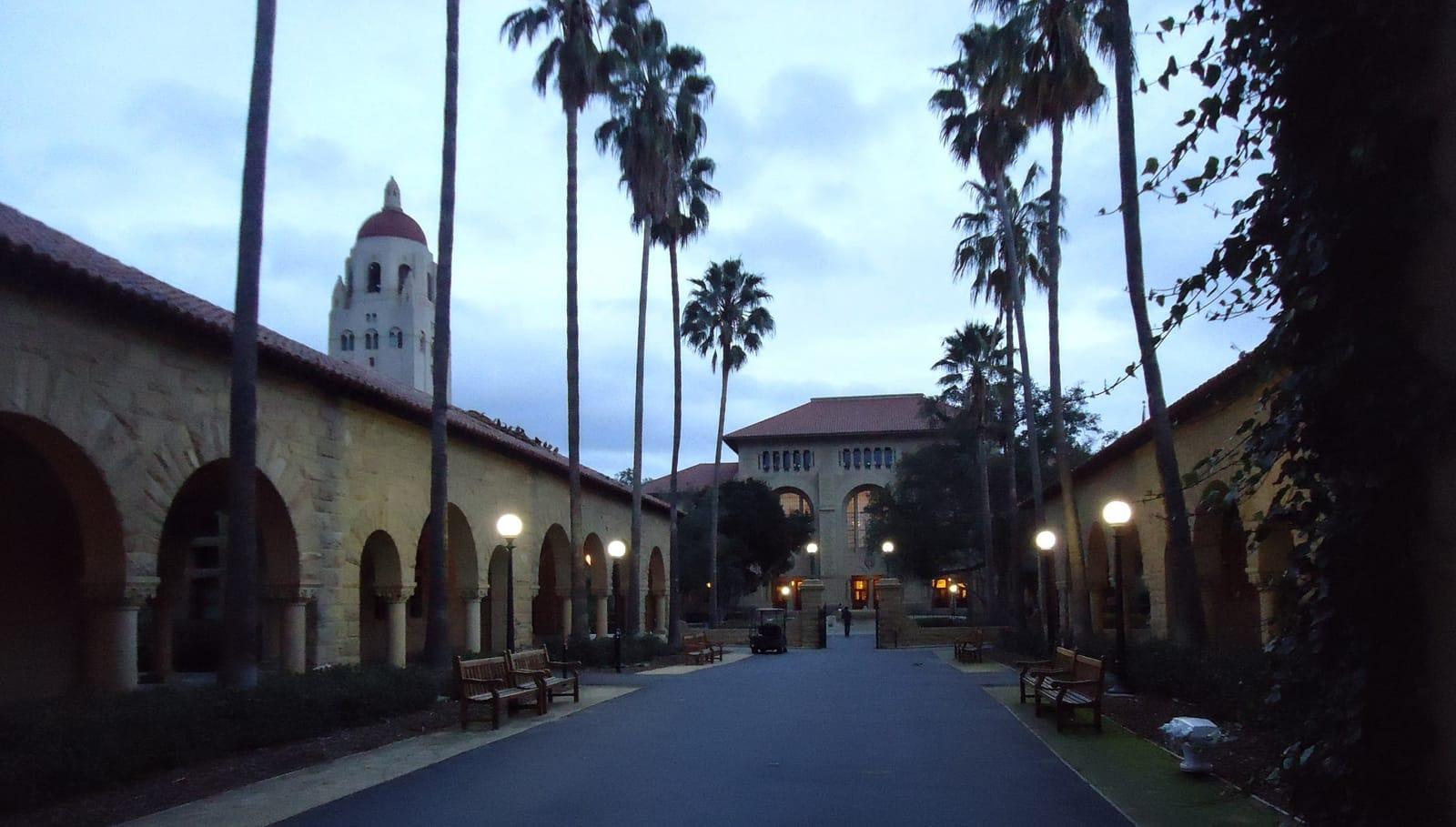
In June 2024, philanthropist Melinda French Gates delivered the commencement address at Stanford University. In the following excerpt, Gates reflects on personal and professional transitions as she addresses graduates preparing to begin a new stage of their lives. Read the passage carefully. Write an essay that analyzes the rhetorical choices Gates makes to convey her message about identity during times of change.
The Passage
The Essay
In Melinda Gates’ 2025 commencement speech to Stanford graduates, she speaks about the change of identity during times of change. Melinda Gates, being a successful woman and ex-wife of famous billionaire Bill Gates, has faced many changes and hardships throughout her life, and she wants the graduates to understand that no matter the changes they may go through, they should embrace them and be open-minded. However, Melinda Gates faces the challenge of helping the students overcome their fear of the real world, specifically their fear of their future careers as Stanford Graduates. To address these concerns, Melinda Gates makes several choices, including the use of metaphors and anecdotes, and the use of lists to show the future possibilities of these graduates. She does this to make sure that the graduates embrace open-mindedness in the future, as they will encounter many transitions and changes throughout their lives In the beginning of the excerpt, Melinda makes the choice to use an anecdote to give the graduates a sort of framework for her to understand the rest of her speech. In that anecdote, there is a small wave and a big wave. The big wave is scared that they will hit the shoreline and cease to exist, while the small wave reassures the big wave, saying, “Don’t worry, we’ll be fine.” The waves in this anecdote represent the graduates, and the shoreline will represent the transitions that they will have to go through. This story connects back to the challenge Melinda faces because once the graduates hit a big transition in their lives, they are fearful they will “cease to exist” or will be unable to figure out the changes they are going through. Additionally, the small wave also says, “You’re not a wave. You’re water.” This represents how the graduates will have to encounter a change in their lives, and that they should be able to recover from it and continue living. The choice of including this anecdote gives the audience a way to frame the rest of Melinda’s speech. Since each aspect of the story represents them and their life changes, the graduates are able to more easily understand the speech and apply it to themselves. It also encourages them to be more open-minded because approaching such a topic with a story will make them think about it differently, which is what open-mindedness is about. Towards the end of the excerpt, Melinda makes the choice to list several possibilities that the graduates may encounter in their future, showing examples of said transitions and allowing the graduates to visualize what their future could be like. She lists several possibilities such as “higher degrees,” “companies to start,” or “industries to disrupt.” This connects back to the graduates, as they are Stanford graduates and are obviously expected to go into higher positions and become rather successful people. This connects to the previous choice, as the shoreline in the anecdote represents such career transitions like this as well. Melinda is basically saying that these changes should be embraced after college. This choice allows the graduates to think more deeply and differently about their future, and this then connects back to Melinda’s purpose of encouraging open-mindedness, as thinking deeply and differently is being open-minded.
Score Breakdown
Thesis (1/1)
Evidence & Commentary (2/4)
Sophistication (0/1)
What This Essay Gets Right
The thesis names Gates's choices, "the use of metaphors and anecdotes, and the use of lists," and ties them to a purpose. She makes them, the writer says, "to make sure that the graduates embrace open-mindedness in the future." Both body paragraphs come back to open-mindedness, so the essay keeps a consistent line.
The wave paragraph holds the essay's clearest analytical move. The writer maps the anecdote onto the audience, explaining that "The waves in this anecdote represent the graduates, and the shoreline will represent the transitions that they will have to go through." The paragraph then reads "You're not a wave. You're water" as a promise that graduates can recover from change and keep living.
The list paragraph quotes specific items from the speech, "higher degrees," "companies to start," and "industries to disrupt," and links them to the expectations placed on Stanford graduates. That attention to who is listening keeps the analysis tied to the rhetorical situation.
What Went Wrong (And How to Avoid It)
The essay earns 2 of 4 in Evidence and Commentary because it states effects without explaining how Gates produces them. The wave paragraph ends by saying a story will "make them think about it differently, which is what open-mindedness is about," which restates the purpose. The list paragraph does the same with "This choice allows the graduates to think more deeply and differently about their future." In both places the analysis stops where an explanation of how the words work on graduates should begin.
The two body paragraphs also sit side by side, linked only by the sentence "This connects to the previous choice, as the shoreline in the anecdote represents such career transitions like this as well." The introduction calls the address a 2025 speech, though the prompt dates it to June 2024, and its mention of Gates as the ex-wife of Bill Gates never returns. Her own transitions, which the passage lists, could have explained why graduates would trust her advice.
Ready to improve your own essay? Grade your AP English Language essay free with AI.
Want the method behind this essay? How to write the AP Lang rhetorical analysis essay