6/6 AP World History LEQ Essay: Ottoman and Mughal growth
This is a real leq essay written by an AP student (personal details removed) and scored 6/6 by our AI grader — one of many AP World History essay examples in our library.
The Prompt
Evaluate the extent to which military technology and religion influenced the expansion of the Ottoman Empire and either the Mughal or Qing Dynasty from 1450-1750
The Essay
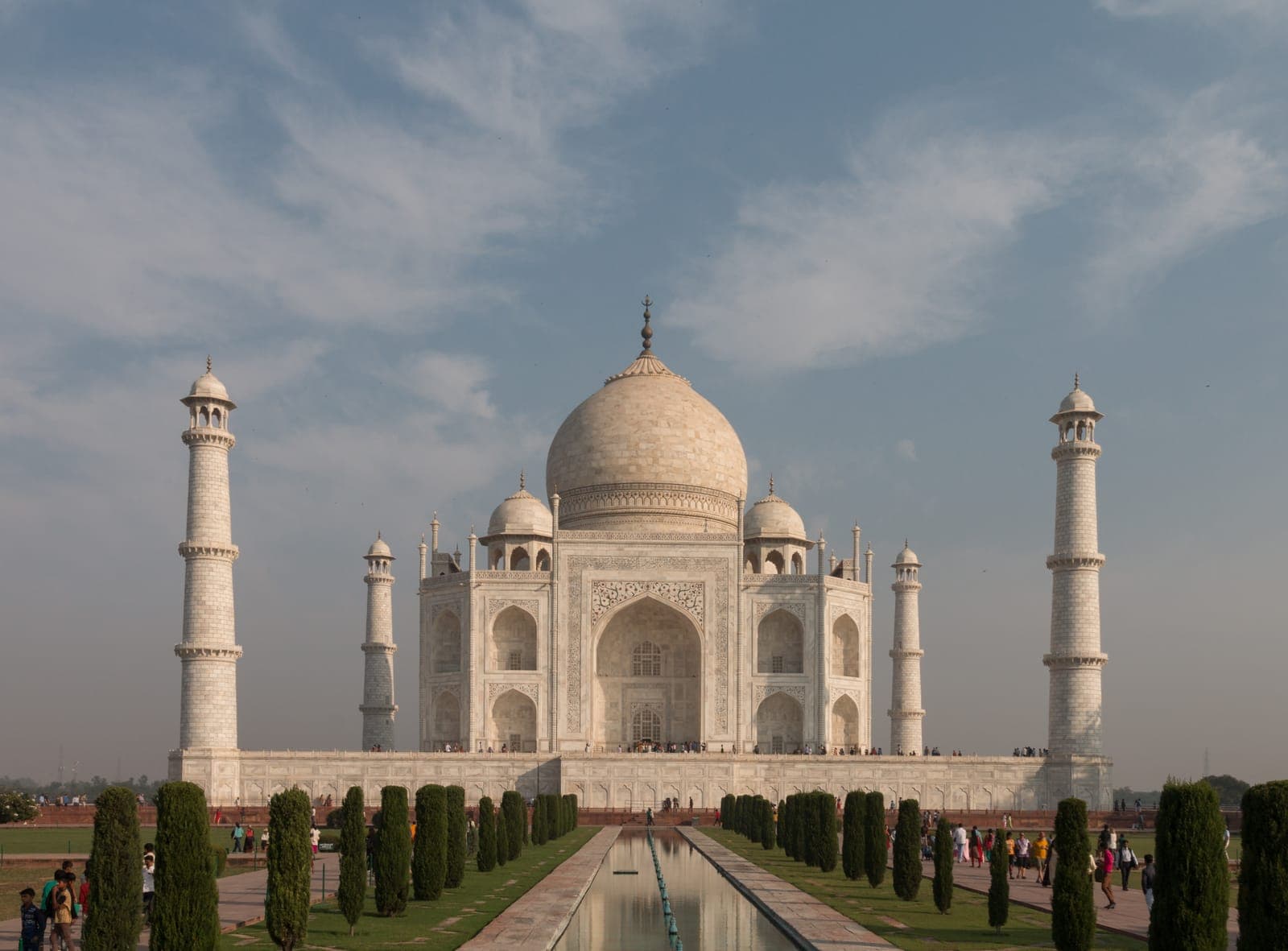
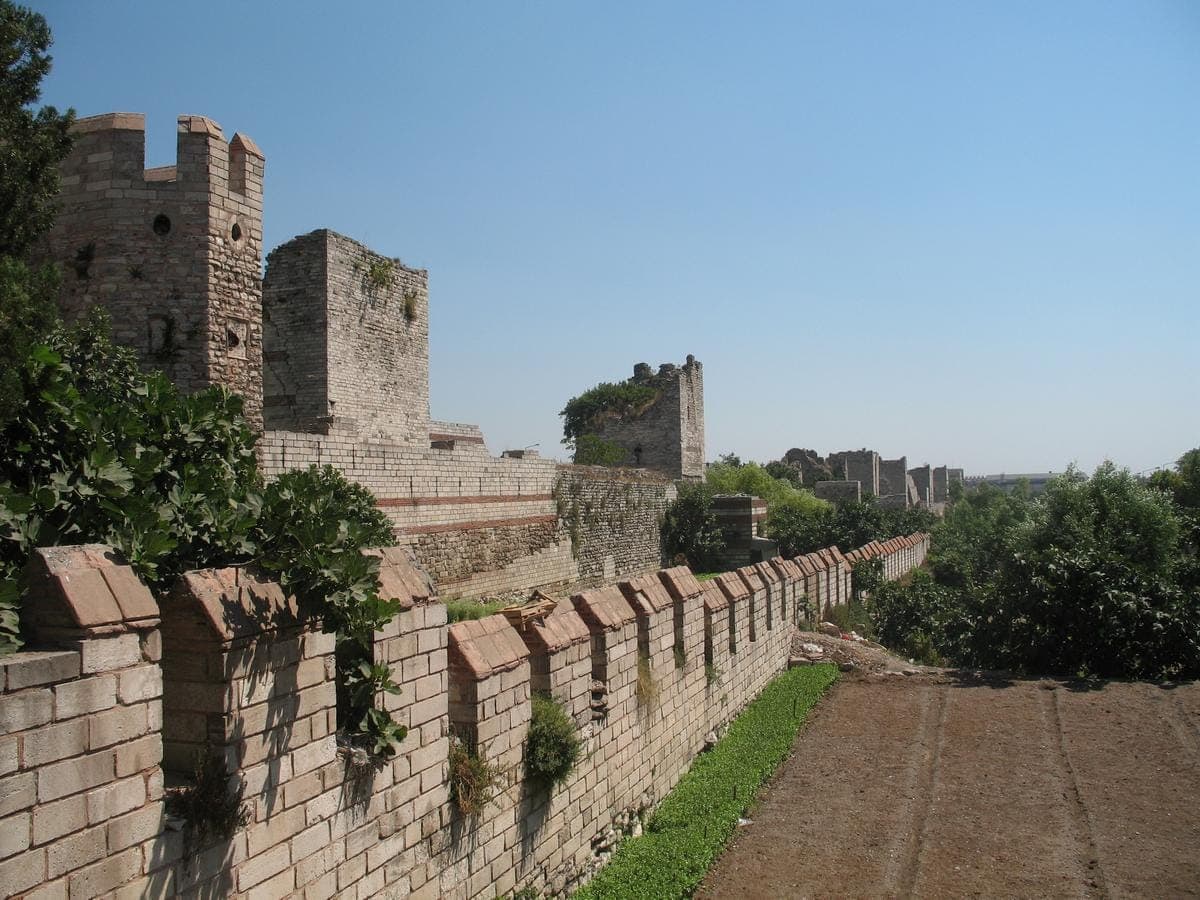
Throughout 1450-1750, large, multi-ethnic empires expanded across areas in Afro-Eurasia. These large, multi-ethnic empires replaced and took advantage of the declining Mongol successor states (khanates), leading to the rise of gunpowder-using empires such as the Ottoman Empire in Southwest Asia and the Mughal Empire in regions in South Asia. However, the expansion of these gunpowder empires would not have been possible without their heavy utilization of innovations and adaptations in military technology and also the use of religion to legitimize conquest. Although economic systems facilitated the use of military technology and the systems utilized to undergo conquest in multiple gunpowder empires, as well as maintained stability required to expand, military technology and the use of religion influenced the expansion of the Ottoman Empire and the Mughal Empire to a large extent through the use of gunpowder as military technology used in conquest and the use of religion to legitimize the rule of the empires through enforcing adherence and maintaining stability despite largely different religious beliefs present. Religious practices and the enforcement of policies regarding religious beliefs allowed for the expansion and the legitimization of rule throughout the gunpowder empires like the Ottoman Empire and the Mughal Empire despite the distinct policies of religion throughout their empires. The Ottoman Empire was a stronghold of Sunni Islam, utilizing Sunni Islam from the previous shift in the Islamic world between Shi’a and Sunni Islam, using policies like sharia and using their defense and enforcement of Sunni Islam to wage war against the Safavid Empire. This showcased the use of religion like Islam to facilitate and influence expansion because the Ottoman Empire defended its power through its tying of its state ideology Sunni Islam through integrating Islamic law (Sharia) into its political administration, and through using religious differences to undergo conquest and take land from the Safavid Empire due to their disagreements in how Islamic ideologies should be followed and the successors to Muhammad. However, different forms of religious policies were utilized in order to maintain and expand empires and their control over their territories. This was demonstrated through the Mughal Empire’s religious tolerance under rulers such as Akbar. Akbar facilitated policies of religious tolerance of multiple groups such as the Sikhs, Hindu majority, and Buddhists in South Asia where Muslims were the minority. Because the Mughals were the minority in charge practicing tolerance on the Hindu majority, this allowed for the Mughals to continue their rule and expansion in South Asia encouraging stability in the empire through religion allowing for the stable presence of diverse religions in Mughal society through conquest, showing the use of policies of religion such as tolerance in expansion in allowing for the Mughals to continue to stay in power with the approval of the majority and continue expansion. Therefore, religious practices and the use of religious policies throughout the gunpowder empires allowed for and influenced expansion through maintaining the stability that empires required in their desires for expansion and through legitimizing expansion under religious zeal. Military technology, such as gunpowder innovations, also facilitated the great extent of the expansion of large, multi-ethnic gunpowder empires like the Ottoman Empire and the Mughal Empire. This was shown through the Ottoman Empire’s conquest of Constantinople and the threat that it posed to the Balkan areas through the use of gunpowder. The Ottoman Empire under Mehmed II adopted gunpowder cannons under a Hungarian cannon-maker (Urban), which they used in order to blast down the walls protecting Constantinople, capturing the city and renaming it to Istanbul. The Ottoman Empire also used gunpowder technology to pose a legitimate threat to the Balkan areas in Europe, where they extracted Christian boys from conquered Balkan territories in their devishime system. This all demonstrated the use of gunpowder as a form of military technology to expand because it showed that the Ottoman Empire was highly reliant on gunpowder used to expand in their territories that they conquered, as gunpowder efficiently overwhelmed enemies and allowed for rapid conquest and expansion of the empire. Therefore, this shows the impact that gunpowder played in the expansion of empires like the Ottoman Empire. However, gunpowder also played a role in the Mughal Empire under expansion in South Asia with leaders like Babur. This was shown in the Mughal Empire’s expansion and conquest over the Rajput Kingdoms using gunpowder technology. This demonstrated the use of gunpowder in facilitating the conquest and expansion of the Mughal Empire because it showed the efficiency of powerful innovations like gunpowder in terms of warfare, similarly to the Ottoman Empire, enabling expansion and conquest across areas in India facilitating the accumulation of large stretches of territory now under the administration of the Mughal Empire clearly demonstrating the expansion of the empire. Therefore, military technology like gunpowder innovations and integration into warfare in 1450-1750 allowed for the expansion of territory through placing significant extents of land under the control and administration of gunpowder empires. While military technology like the use of gunpowder and religious practices such as through encouraging tolerance and through enforcing the adherence to a religion influenced expansion through allowing for increased territory to be brought under the control of gunpowder empires and through allowing for stability to be fostered in expansion, the role that economic systems played in funding military technology and the use of military technology by standing forces facilitating expansion and through allowing for the direct legitimization and maintenance of power cannot be omitted. This was shown through the Ottoman Empire’s system of tax farming. Through allowing for individuals to bid on the ability to collect taxes, and through allowing for those individuals to collect taxes to flow to the Ottoman Empire, this set up a method to obtain significant funding to be utilized to fund and pay for the Devishime system, especially the Janissaries. This meant that the use of funding and innovative taxation systems to consolidate wealth and power was placed into the Ottoman military force like the Janissaries, allowing for the Janissaries to make significant conquest and to expand the territory of the Ottoman Empire, showing the role that economic systems played in supporting the continued expansion of gunpowder empires. Similar effects were also seen in the Mughal Empire with the use of zamindars. The Mughal Empire’s zamindar system allowed for local rulers to be able to extract taxes and wealth, but to pay a portion of that to the Mughal government, supporting a degree of centralized tax collection. However, these taxes collected were utilized in the funding to construct the Taj Mahal, a piece of monumental architecture. This showed that economic systems allowed for the legitimization and maintenance of power throughout the empire because the ability for the Mughal ruler to construct monumental architecture implies the existence of a centralized method of tax-collection and the wealth of the ruler through constructing a structure that inspired awe, demonstrating economic dominance and the power of the ruler through the construction of monumental architecture like the Taj Mahal and the use of the zamindar system to accomplish this construction. Therefore, military technology and religious practices allowed for expansion, but economic systems like innovative tax methods used to consolidate wealth facilitated expansion through allowing for the paying of militaries and funding expansion, while also legitimizing and maintaining power and rule through the ability to construct monumental architecture.
Score Breakdown
Thesis (1/1)
Contextualization (1/1)
Evidence (2/2)
Analysis & Reasoning (2/2)
Why This Essay Scored Well
The introduction sets the scene before it makes a claim. It describes empires that "replaced and took advantage of the declining Mongol successor states (khanates)," which earns contextualization because it places the Ottomans and Mughals inside a larger process. The thesis then names both factors and says how each one worked, gunpowder in conquest and religion to legitimize rule.
The evidence is specific on both sides of the comparison. In the military paragraph, the Ottomans under Mehmed II use cannons made under "a Hungarian cannon-maker (Urban)" to break the walls of Constantinople, and the Mughals use gunpowder in their "conquest over the Rajput Kingdoms." In the religion paragraph, the Ottomans use Sunni Islam and sharia to justify war on the Safavids, while Akbar extends tolerance to "the Sikhs, Hindu majority, and Buddhists."
The analysis points come from two habits. The religion paragraph sets two opposite policies side by side and shows they served the same goal. The writer explains that a Muslim ruling minority needed "the approval of the majority" to stay in power and keep expanding. The final paragraph then weighs a cause the prompt leaves out. Ottoman tax farming paid for the Janissaries, so economic systems sat underneath the military expansion the essay credits to gunpowder. That qualification is what earns complexity.
For the full point-by-point rubric behind this score, read our AP essay rubric breakdown.
What Could Be Improved
The essay never names a battle or date for the Ottoman and Safavid conflict. The religion paragraph says the Ottomans used Sunni enforcement "to wage war against the Safavid Empire," and a specific event such as the Battle of Chaldiran in 1514 would make that claim as concrete as the Constantinople example. The Taj Mahal example also drifts from the prompt. It shows Mughal wealth and centralized taxes, but the writer ties it to legitimacy and awe, so it says little about expansion. The Ottoman tax farming example does that job much better, because it links taxes to the Janissaries who fought the wars.
Sentences run long and repeat themselves. The thesis is one sentence of more than 80 words. The Mughal gunpowder section ends with "clearly demonstrating the expansion of the empire" right before another "Therefore" sentence that says the same thing. The writer also spells devshirme as "devishime" both times.
Ready to improve your own essay? Grade your AP World History essay free with AI.