6/6 AP World History LEQ Essay: Land empire economics
This is a real leq essay written by an AP student (personal details removed) and scored 6/6 by our AI grader — one of many AP World History essay examples in our library.
The Prompt
Evaluate the extent to which economic systems or policies were used by rulers to consolidate or legitimize power in land-based empires between 1450 and 1750.
The Essay
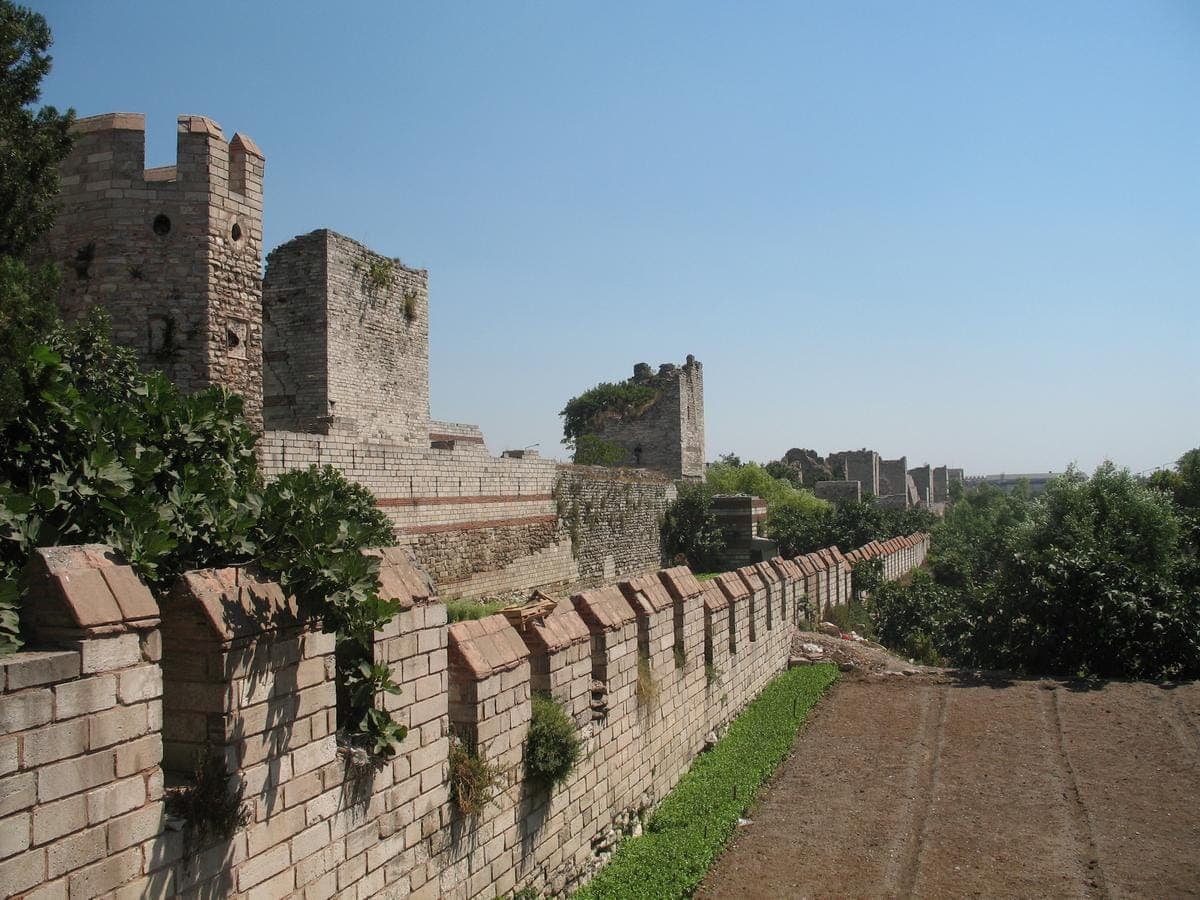
Land based empires between 1450-1750 utilized innovations such as gunpowder as a technological change in order to expand their empires and states and to conquer weakening empires. States like the Ottoman Empire, Mughal Empire, Tsardom of Russia, and Ming/Qing China all rose to replace fading and weakening empires, especially empires like the Mongol Successor states and older empires like the Byzantine Empire. Utilizing gunpowder, the Ottoman Empire was able to break through the walls of Constantinople and to establish their empire at Istanbul, showcasing the increasing influence of gunpowder used in conquest throughout multiple land-based empires and states. However, the extent of the spread of these empires did not rely on gunpowder alone, because these empires would not have been maintained if the empires faced domestic instability, leading to the need of many of these land-based empires to utilize economic systems and policies to consolidate power and to legitimize rule from 1450-1750. Although the use of economic systems and policies sometimes backfired through causing inflation and corruption, economic systems and policies was used by rulers to a large degree in enabling the consolidation of power and legitimization of rule through tax-collection systems utilized to fund state interests, and economic policies utilized to gain power through the loyalty of particular elites. Economic systems were utilized by multiple empires in order to establish the loyalty of elites to the ruler across land-based empires in 1450-1750. This was demonstrated through the Tsardom of Russia, who legitimized power through establishing the loyalty of elites. Originally, workers could move around serving different lords seeing better working conditions, which caused wealth instability for the lords. However, through the Tsar establishing serfdom, limiting the movement of serfs, this allowed for boyars to have a reliable source of labor allowing for them to accumulate wealth and maintain a source of food from the agricultural services of these serfs. This allowed for the Tsardom of Russia to consolidate power from the elites because this established a “tying” of the boyars to the Tsar, with the boyars reliant on the Tsar to maintain the policy of serfdom in order to continue their wealth, leading to the alignment of these boyars with state interests in order to maintain their wellbeing and their wealth, allowing for the Tsar to consolidate power from that loyalty established through the socio-economic system of serfdom. A different system with similar effects was also utilized in both Ming and Qing China, legitimizing power from the loyalty of the meritocratic elites—the scholar gentry—rather than boyars. The Ming Dynasty, after replacing the Yuan Dynasty, established the single whip law, expecting all taxes to be paid in silver. This led to the continued flow of silver from the Americas (through European activities in the Americas) flowing to the Ming Dynasty in order to get access to China’s lucrative silk and porcelain. This was maintained despite dynastic change through the Qing Dynasty, also consolidating wealth from the accumulation of taxes through silver. However, this wealth obtained was utilized to pay the imperial bureaucracy, made of a meritocratic elite called the scholar gentry educated in Confucian values. Because this tax-paid imperial bureaucracy rose to power through the civil service exams emphasizing Confucian values such as respect to the emperor, this made the tax-paid scholar gentry loyal to the emperor. This consolidated power for the emperor because the emperor utilized this devotion to bypass the hereditary elites who may challenge the emperor’s rule, showcasing the use of an elite class (tax-paid meritocratic scholar gentry) to legitimize rule from that respect to the emperor and devotion, using that to challenge the hereditary elites who would destabilize and decentralize the emperor’s power. Therefore, while the economic methods of the Tsardom of Russia and Ming/Qing China were distinct, both eventually allowed for the legitimization of rule and consolidation of power through the use of a certain elite, whether that be through the boyars in the Tsardom of Russia or the scholar gentry in Ming/Qing China. Economic systems such as tax collection were also involved in the consolidation of power through allowing for land-based empires to accomplish state interests. This was shown through the Ottoman Empire, who utilized the tax-farming system. Through allowing for individuals to bid on the ability to collect taxes, and having those individuals collect a certain amount of money for the state, this led to the establishment of an efficient source of revenue for the Ottoman Empire to use. This funding was given to the Janassaries from the Devirshime system as paying them, a meritocratic military force based on their performance and loyalty. Through the ruler having a military force that allowed him to carry out tasks and to conquer lands, and through the promotion of individuals loyal to the ruler, this allowed for the consolidation of power through allowing for the bypassing of hereditary elites who would challenge and destabilize the ruler’s power with a force loyal only to the ruler, leading to the consolidation of power from the sultan. This was similar in comparison to the Ming/Qing Dynasty, who also utilized a meritocratic system paid through innovative tax methods to bypass the hereditary elite legitimizing power. The ability to maintain a loyal force to conquer lands from the Ottoman Empire also showed the might of the sultan, legitimizing power. But state interests facilitated through tax-collection was not only fulfilled with the ability to maintain a standing military force, but also through art and architecture. This was shown through the Mughal Empire, who utilized the Zamindar system for the accumulation of wealth. Through allowing for local elites to collect taxes but send taxes to the ruler, this established a steady source of revenue that was funded towards building architecture like the Taj Mahal. This piece of monumental architecture legitimized power through the fact that it showed that the ruler was able to efficiently implement a centralized tax structure throughout the empire with some of those collected taxes flowing to the ruler, and also showed the ruler’s ability to create grand architectural pieces that inspired awe to civilians, legitimizing the Muslim minority from the Mughal Empire over the Hindu majority population. Therefore, both the Ottoman Empire and the Mughal Empire demonstrated that tax-collection systems as a form of economic policy that legitimized power and consolidated rule through the use of a loyal military force paid by those taxes to bypass hereditary elites and demonstrating the power of the sultan in the Ottoman Empire, and through the Mughal Empire showing the use of revenue from tax systems constructing monumental architecture, both showing that taxes funded state interests through military loyalty and state projects. While economic systems allowed for the consolidation of power and legitimization of rule through facilitating the use of a military elite and architectural projects through tax collection and through consolidating power based on the loyalty of an elite class to the ruler, methods of obtaining revenue sometimes backfired through causing inflation and facilitating corruption. This was shown through the Ottoman Empire through the tax-farming system. Eventually, tax farmers started to collect and demand more from the people, keeping extra tax money to themselves, allowing for them to accumulate wealth and challenge the power of the sultan, leading to decentralization and the destabilization of the sultan’s power. This showcased a limitation and challenge because while the original tax farming system was meant to centralize and consolidate power from the use of a loyal military elite paid by those taxes, the system was often used to allow for tax farmers to gain increasing financial power decentralizing rule. This backfiring was also shown in the Ming/Qing Dynasty through the flow of silver. With the requirement that all taxes be paid in silver, this led to the dependency on silver and vulnerability to fluctuations in the market. This led to economic instability and hardship through inflation when the supply of silver shifted, showcasing the challenges to a stabilized economic state. Therefore, even though these economic policies showcased the legitimacy of land-based empires through tax systems funding state interests and the use of economic systems to consolidate power from the loyalty of elites, economic policies often led to instability and sometimes led to the destabilization of rule from rulers in land-based empires.
Score Breakdown
Thesis (1/1)
Contextualization (1/1)
Evidence (2/2)
Analysis & Reasoning (2/2)
Why This Essay Scored Well
The thesis answers the extent question with "to a large degree" and names two ways economic policy built power, tax collection "utilized to fund state interests" and policies that won "the loyalty of particular elites". It also concedes that these systems sometimes caused inflation and corruption. Those three pieces map onto the three body paragraphs, so the argument has a plan the reader can follow.
The opening places the prompt inside the rise of gunpowder empires as the Mongol successor states and the Byzantine Empire declined. The Ottoman cannons at Constantinople give that background a concrete example. The paragraph then explains why conquest alone was not enough, since empires facing domestic instability would not last, and that is what sends the essay to economic policy.
The first body paragraph builds two causal chains. In Russia, serfdom gave the boyars a fixed labor supply, so their wealth depended on the Tsar keeping the policy, which tied them to the state. In Ming and Qing China, the single whip law required taxes in silver, and that silver paid a scholar gentry trained in Confucian respect for the emperor, which let the emperor work around hereditary elites. The second body paragraph applies the same method to the Ottoman tax farms that paid the Janissaries and to the Mughal zamindar revenue behind the Taj Mahal. Across four empires the essay keeps naming a policy, the group it affected, and the result for the ruler, so the evidence stays tied to the claim.
The last body paragraph argues against the thesis. Tax farmers kept extra revenue and used that wealth to "challenge the power of the sultan", and paying taxes in silver left the Chinese economy open to inflation when the supply shifted. Explaining how the same systems that centralized power later weakened it shows the complex understanding behind the second analysis point.
For the full point-by-point rubric behind this score, read our AP essay rubric breakdown.
What Could Be Improved
The essay runs to almost 1,400 words, and much of that length comes from restating its claim. The sentence that closes the Russia section repeats "consolidate power" and "loyalty" in one long chain of clauses, and several other paragraphs end the same way. Shorter summaries would leave more room for specific evidence.
The tax-farming paragraphs would also benefit from one concrete detail, such as a named region or a period when tax farmers grew powerful, so the corruption claim rests on more than a general process. The essay never fully settles the tension it sets up either. The thesis says economic policy worked "to a large degree", but the final paragraph shows two of the same systems weakening rulers, and a sentence weighing which effect mattered more would sharpen the answer to the extent question.
Two spellings need fixing, "Janassaries" for Janissaries and "Devirshime" for Devshirme.
Ready to improve your own essay? Grade your AP World History essay free with AI.